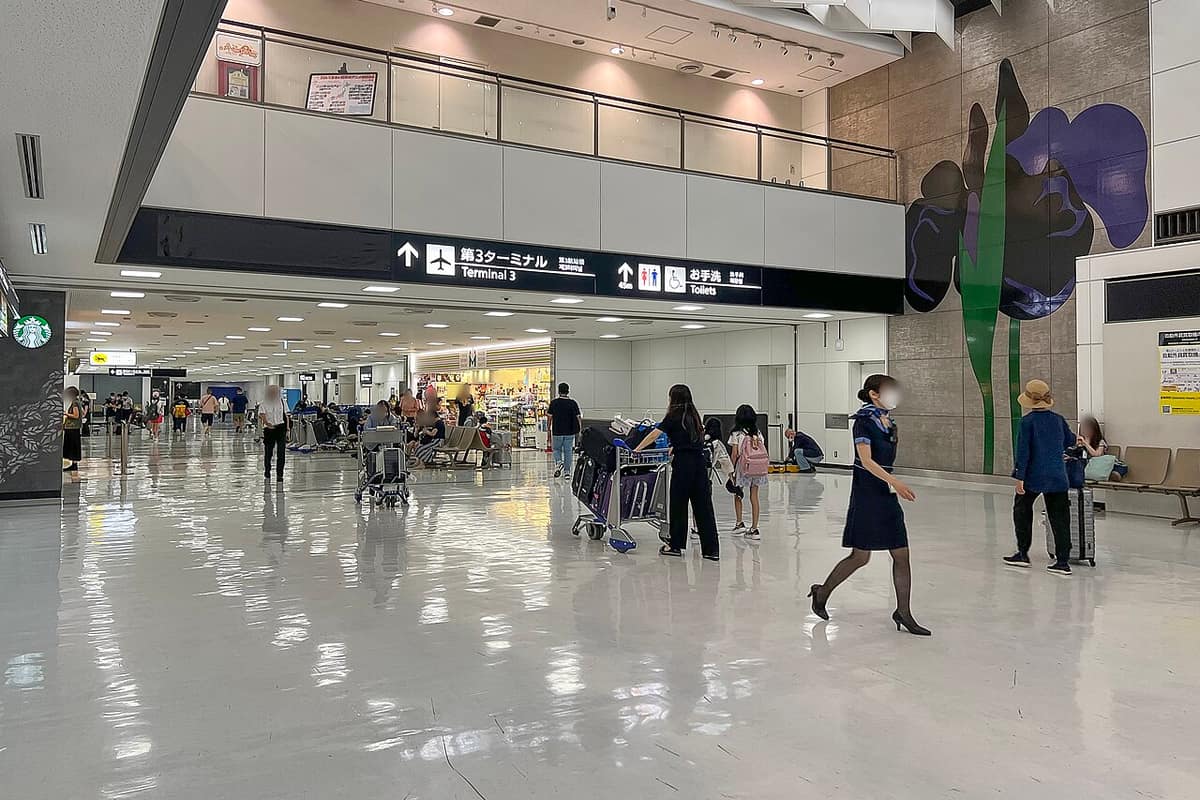
When you land in Japan you first go through immigration, then collect your luggage and pass customs. This guide explains for German citizens what documents you need, how the Visit Japan Web portal shortens the airport routes, how the inspection works and what you may bring in duty-free. As of 25 October 2026.
Key takeaways
- Most comfortable after entry: a pre-booked transfer. The driver waits in the arrivals hall, with Welcome Pickups (advertising) from €139 (Narita) or Welcome Pickups (advertising) from €87 (Haneda) per vehicle for up to four people.
- German citizens can enter Japan without a visa for up to 90 days according to the Japanese embassy, including for tourism. According to a consulate, your passport must be valid until the day of departure. The authorities at the airport make the final decision on entry.
- Visit Japan Web: you register entry and customs in advance, and one QR code works for both. You need an email address and your passport.
- At the inspection fingerprints and a facial photo are taken, children under 16 are exempt.
- Customs: 3 bottles of alcohol, 200 cigarettes, goods with a total value under ¥200,000, medicine for 2 months. You declare cash above ¥1,000,000.
The most comfortable option after entry: pick-up in the arrivals hall
After the inspection and customs you want to arrive, not read timetables. A pre-booked transfer is not the cheapest but the most comfortable solution: an English-speaking driver meets you with a name sign in the arrivals hall, helps with your luggage and takes you to your address, at a fixed fare that you pay in advance.
- Welcome Pickups (advertising) (Narita) and Welcome Pickups (advertising) (Haneda): to Tokyo Station, Shinjuku, Shibuya, Ueno or Asakusa the provider states from €139 from Narita or from €87 from Haneda for a vehicle with up to four people, and from €167 or €104 at night (19:00 to 5:59) (as of 25 Oct 2026). As a pick-up time the provider suggests about 40 minutes after scheduled landing, so that immigration does not feel rushed. Flight monitoring and up to one hour of waiting time are included according to the provider.
- Klook* (advertising): on its Tokyo page Klook lists tickets for the Keisei Skyliner and the N’EX Round-Trip Ticket if you prefer the train.
How the connections from the airports compare is shown in the guides Narita Airport to Tokyo and Haneda Airport to Tokyo.
What do I need as a German citizen?
According to the Japanese embassy in Berlin, short stays of up to 90 days are possible without a visa, including for tourism, business trips or visiting relatives. Paid work and longer stays need a visa. According to a Japanese consulate your passport must be valid at least until the day of departure, and the Visit Japan Web portal warns if the remaining validity is under six months. A visa or an exemption does not guarantee entry, the authorities at the airports decide.
How does Visit Japan Web work?
Visit Japan Web is the official portal of Japan’s Digital Agency. You complete the steps in advance in your browser:
- Create an account, you need an email address.
- Register user data, including your passport details (by camera or by hand). The passport details are needed for the tax-free feature.
- Register your travel schedule (entry).
- Fill in your immigration and customs details.
- Show the QR code on arrival. According to the official guide it works at immigration and at customs.
Use only the official portal and not third-party sites that ask for money. According to JNTO, paper forms for customs are also available on the plane and at the airport, and registering by web or QR code is an alternative.
What is the entry procedure at the airport?
At immigration you apply for landing with an officer. The officer checks your passport, purpose of stay and requested length of stay and, if the conditions are met, affixes the landing stamp. Fingerprints and a facial photo are taken, which according to the immigration authority’s documents has been mandatory since 2007, and persons under 16 are exempt. If you refuse to provide the data, you can be denied entry. Automated gates are open only to registered users, so as a tourist you use the normal counters. After that you collect your luggage and go to customs.
Note: the information on the inspection comes from documents of the authority from 2013 to 2022. Check the current notices of the Immigration Services Agency before you travel.
What may I bring in duty-free?
According to Japanese customs these allowances apply per adult:
| Goods | Allowance |
|---|---|
| Alcohol | 3 bottles (about 760 ml each) |
| Cigarettes | 200 pieces (cigars 50, other tobacco 250 g) |
| Perfume | 2 ounces (about 56 ml) |
| Other goods | total value under ¥200,000, single items under ¥10,000 are not counted |
You may bring medicine for 2 months and cosmetics for 24 applications. Narcotics, weapons and counterfeits are among the prohibited items, and plants and animals must be presented for quarantine. According to JNTO meat, meat products and plants are strictly prohibited, with high fines for illegal import. You must declare cash, cheques and securities above ¥1,000,000.
Is an electronic travel authorisation (JESTA) coming?
According to media reports Japan plans an electronic pre-registration system called JESTA for visa-exempt travellers, by the end of fiscal year 2028. The reports name no fixed start date yet. Check the current rules with the embassy before every trip.
Landed late? An airport hotel saves the trip
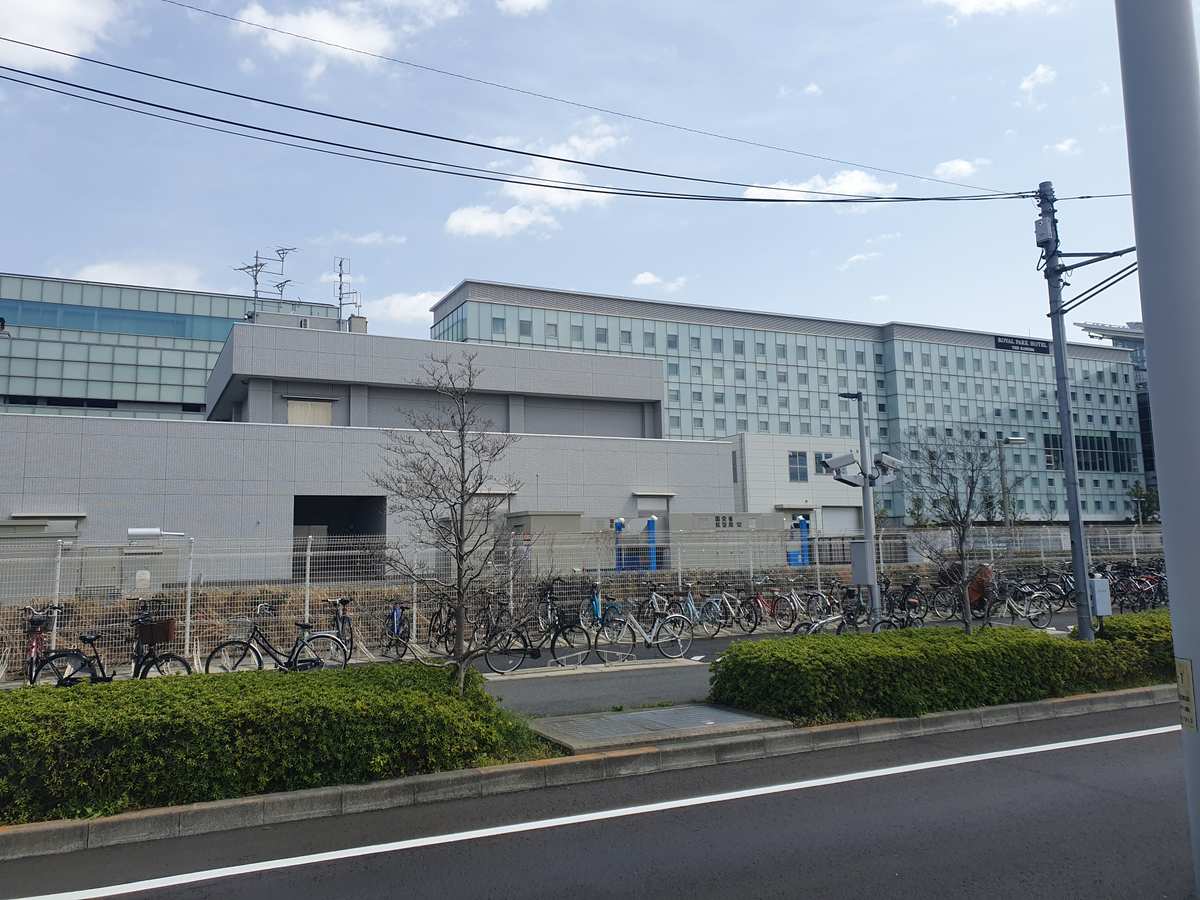
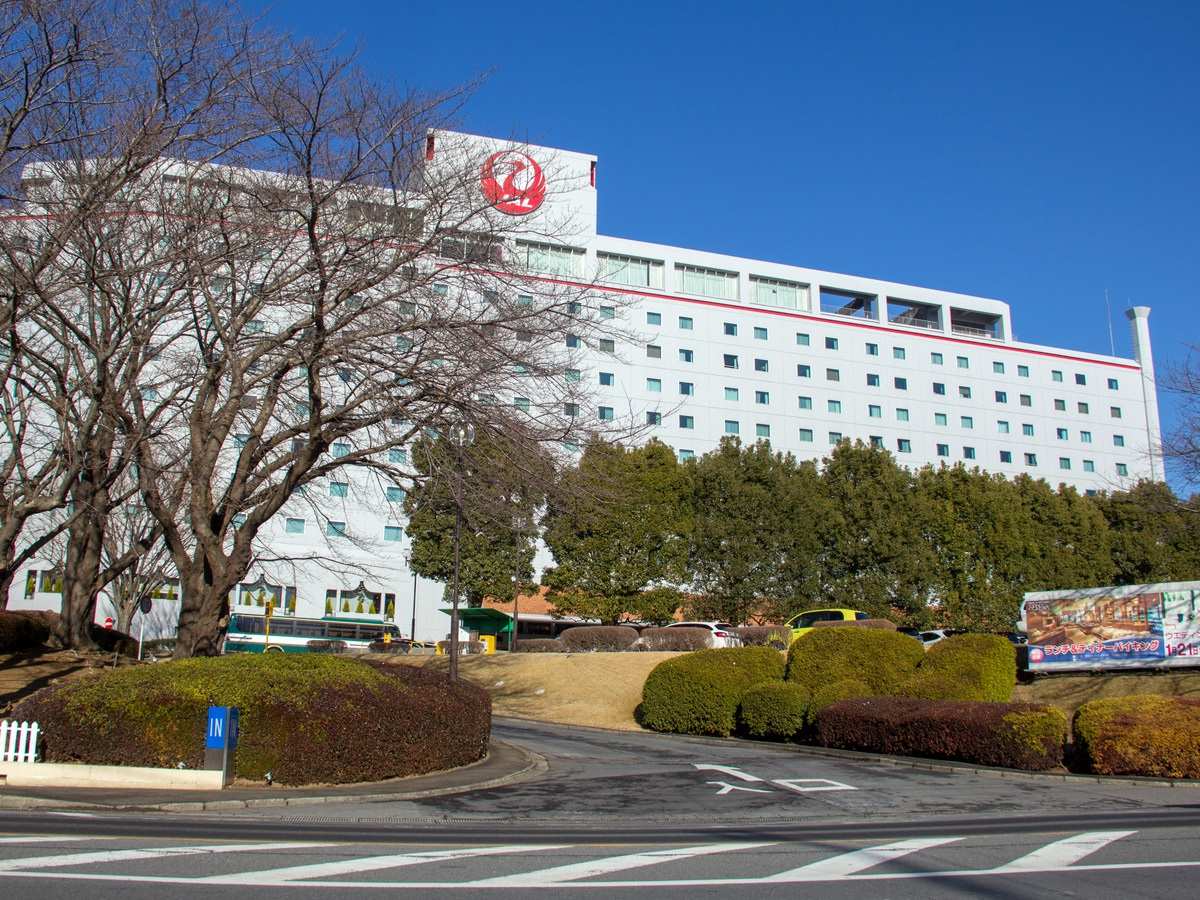
If you land late, an airport hotel can save the trip into the city. Narita only operates flights from 6:00 to 24:00. The options with direct terminal access or a shuttle are below under matching hotels and in our guides to hotels with a free shuttle and early flights. If you are only changing planes and do not want to enter, our guide to the stopover in Tokyo helps.