
On a layover in Tokyo you have to decide whether to stay in the airport or visit the city (or the area around it). Three things decide whether the trip is worth it: whether you may enter Japan, how much time is left after travel, immigration and the way back, and where to leave your luggage. This guide works it out with the checked travel times and introduces Narita’s free programme for layover passengers. As of 25 October 2026.
Key takeaways
- Comfortable and easy to plan: a private 4-hour tour in Tokyo with an English-speaking guide and hotel pick-up, US$223.15 on Klook* (advertising). It suits an overnight stay or a very long layover.
- Staying in the transit area: no entry needed. If you leave the airport you must pass immigration, and depending on your nationality a visa may be required.
- German citizens can enter Japan without a visa for up to 90 days according to the Japanese embassy, including for tourism. The authorities at the airport make the final decision on entry.
- Free tours from Narita: the “Transit & Stay Program” has been running again since 1 October 2026. There are six guided tours with English-speaking volunteers, with a minimum duration of 3 to 6 hours. You only pay for transport, food and admission.
- Haneda is closer: the monorail takes about 13 minutes from Terminal 3 to Hamamatsucho, while from Narita the Skyliner takes 36 to 41 minutes to Nippori and Ueno.
- Plan backwards from your departure: your airline’s check-in deadline, the way back, your stay, the way out, immigration.
May I leave the airport on a layover?
That depends on whether you stay in the secure area (airside) or not. According to Narita Airport, you do not need to go through immigration in the departure area. If you leave it, for example to go outside, you must pass immigration, and depending on your nationality a visa may also be required. If you stay overnight you must also enter Japan. Narita only operates flights from 6:00 to 24:00, and outside those hours you cannot stay in the airside area of the terminals, according to the airport.
For Germans, the Japanese embassy in Berlin states: short stays of up to 90 days are possible without a visa, including for tourism. According to a Japanese consulate, your passport must be valid at least until the day of departure. A valid visa or an exemption does not guarantee entry, the authorities at the airports decide. For other nationalities, check the rules in advance with your airline or the relevant diplomatic mission.
You can enter your immigration and customs details in advance in the official portal Visit Japan Web of Japan’s Digital Agency. According to the official guide, one QR code works for both immigration and customs. Use only the official portal and not third-party sites that ask for money. All steps are in our guide Entering Japan.
How much time do I need at least?
There is no official minimum time for the trip. Narita Airport names no minimum connection time for connecting flights. The tours of the Transit & Stay Program give some orientation, as the operators state a minimum duration for each (see the table below). The shortest tour takes 3 hours, the longest 6 hours.
Work backwards from your departure. As our own rule of thumb (not from the airport): add up what you need in the airport before departure (check-in, baggage drop and security according to your airline’s deadlines), plus the way back, your stay, the way out, immigration and baggage claim on arrival, and add a buffer. Train travel times are reliable, queues at immigration are not.
| Route | Travel time according to operator | Guide |
|---|---|---|
| Narita to Nippori/Ueno (Skyliner) | 36 to 41 min | Narita Airport to Tokyo |
| Narita to Tokyo Station (Narita Express) | from 53 min | Narita Airport to Tokyo |
| Haneda to Hamamatsucho (Monorail, from Terminal 3) | from approx. 13 min | Haneda Airport to Tokyo |
| Haneda to Shinagawa (Keikyu) | approx. 11 to 15 min | Haneda Airport to Tokyo |
An example using these figures: the Skyliner takes about 72 to 82 minutes of pure travel time there and back. Immigration, baggage and the walk to the platform come on top. From Haneda it is about 26 minutes of pure travel time there and back by monorail, so a short trip is more worthwhile there than from Narita.
Comfortable and easy to plan: book a private tour in advance
If you have a lot of time or stay overnight in Tokyo, a private tour is the most comfortable way to see the city: you do not have to plan anything, an English-speaking guide takes you around, and hotel pick-up is included. One example is the “Tokyo 4-Hour Private Tour: Top Spots & Hidden Gems” on Klook (advertising). It starts in Tokyo at 9:00 or 14:00, and you can cancel free of charge up to 24 hours before. The operator is Japanticket Inc. Klook lists it at US$223.15 (as of 25 Oct 2026). Because the tour starts in the city at fixed times, it does not suit a short stay at the airport but an overnight stay or a very long layover. You can find more tours and tickets for Tokyo at Klook (advertising) as well.
Free of charge: the Transit & Stay Program in Narita
Narita restarted its programme for layover passengers on 1 October 2026 after a six-year break. On the official booking site it says that the guided standard tours have English-speaking volunteer guides and that there is no tour or guide fee. You only pay personal expenses such as tickets. If the dates do not suit you, you can also do a tour on your own with a map (PDF). According to media reports, the offer is aimed at travellers on a layover and at tourists staying near the airport, and booking opened on 15 September.
The six standard tours with minimum duration and minimum budget according to the programme site:
| Tour | Minimum duration | Minimum budget |
|---|---|---|
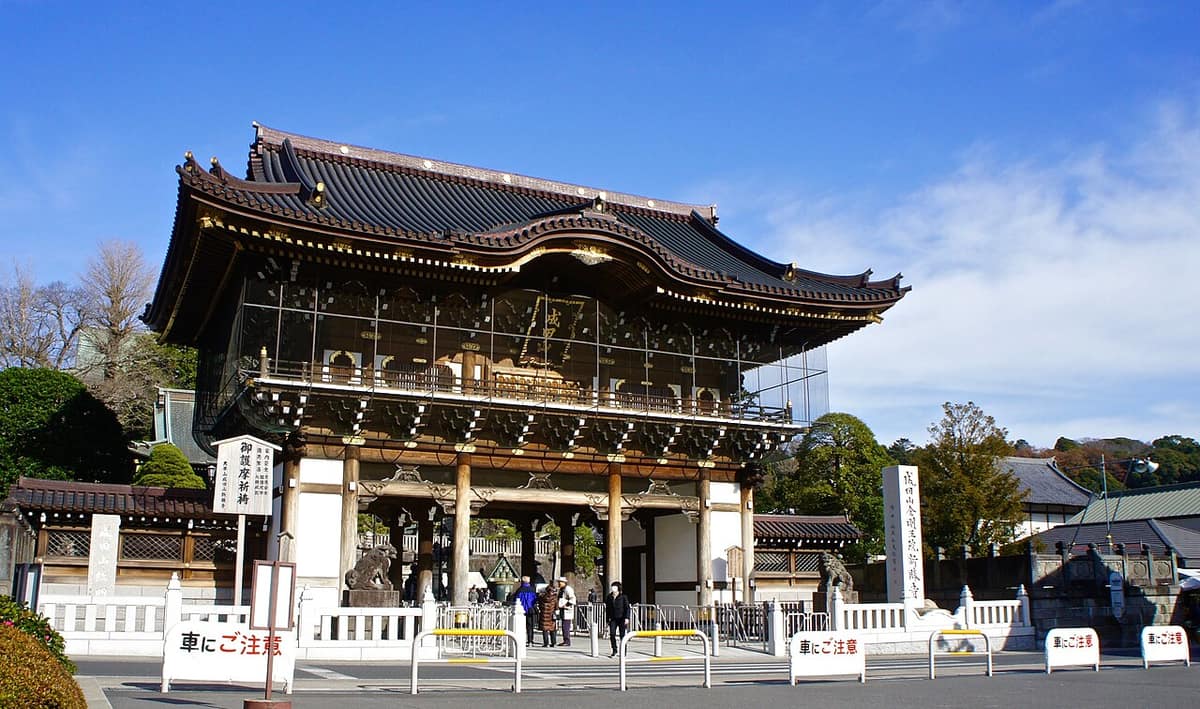
| Tour 1: Narita city (Naritasan Shinshoji Temple, Omotesando street) | 3 hours | ¥2,000 |
| Tour 2: Katori/Sawara | 5 hours | ¥4,500 |
| Tour 3: Tako | 4 hours | ¥2,000 |
| Tour 4: Shibayama | 4 hours | ¥4,000 |
| Tour 5: Sakae | 5 hours | ¥5,000 |
| Tour 6: Kozaki (fermentation village) | 6 hours | ¥4,000 |
The programme site gives the duration as “Minimum Time Required” and notes that the times are approximate. Whether the trip from the airport is included is not clearly stated there, so check the individual tour page for details and access. Besides this, “NARITA BEYOND” offers paid tours and activities that, according to the programme, run separately from the Transit & Stay Program. We know of no comparable programme for Haneda.
For these tours too: you must be allowed to enter Japan, because the tours lead out of the transit area.
Where do I leave my luggage?
If you leave the airport, you do not want to drag a suitcase onto the train. Both airports have lockers, and the prices are in our guide to sending luggage by Takkyubin. For a comfortable trip without a suitcase, Radical Storage* (advertising) brokers luggage storage at partner locations in Tokyo, from ¥270 per day according to the provider (as of 25 Oct 2026), bookable online in advance. These are shops and hotels in the city, not counters in the terminal; check location, opening hours and price on the provider’s page before you book. Station lockers, apps and hotels compared: Luggage storage in Tokyo.
For maps and timetable apps you need internet on the go. An eSIM can be set up at home, for example from Saily* (advertising) (from €3.49 for 1 GB and 7 days); check beforehand whether your phone supports eSIM. For trains you also need a card, which our IC card guide explains.
When is it better to stay at the airport?
Stay in the transit area if time is tight, if you may not enter, or if the way back becomes too risky. You can rest at the airport itself: showers and rest rooms are listed in our overviews of Narita and Haneda. If you want to stay overnight, the options are in the guide Stopover in Tokyo: where to sleep? and with the capsule hotels at the airport.
Only need a few hours of sleep? Day rooms, short stays and showers at both airports are compared in the guide Day rooms at Tokyo airports.